Services from $45 per donor

Every test we offer, at your location

DOT and non-DOT drug and alcohol collections (rapid, lab-based, hair, segmented hair, breath alcohol and EtG) performed where you are.

DOT

DOT drug and alcohol testing

DOT testing applies to employees in safety-sensitive roles regulated by the U.S. Department of Transportation, for example commercial drivers and certain aviation, rail, transit, pipeline and maritime roles. Collections follow federal procedures (49 CFR Part 40), use a federal custody form and a certified laboratory, and results are reviewed by a Medical Review Officer.
Who may need it

  • Trucking and motor-carrier employers (FMCSA)
  • Aviation employers and contractors (FAA)
  • Transit agencies and contractors (FTA)
  • Railroads (FRA)
  • Pipeline operators (PHMSA)
  • Owner-operators enrolled in a consortium
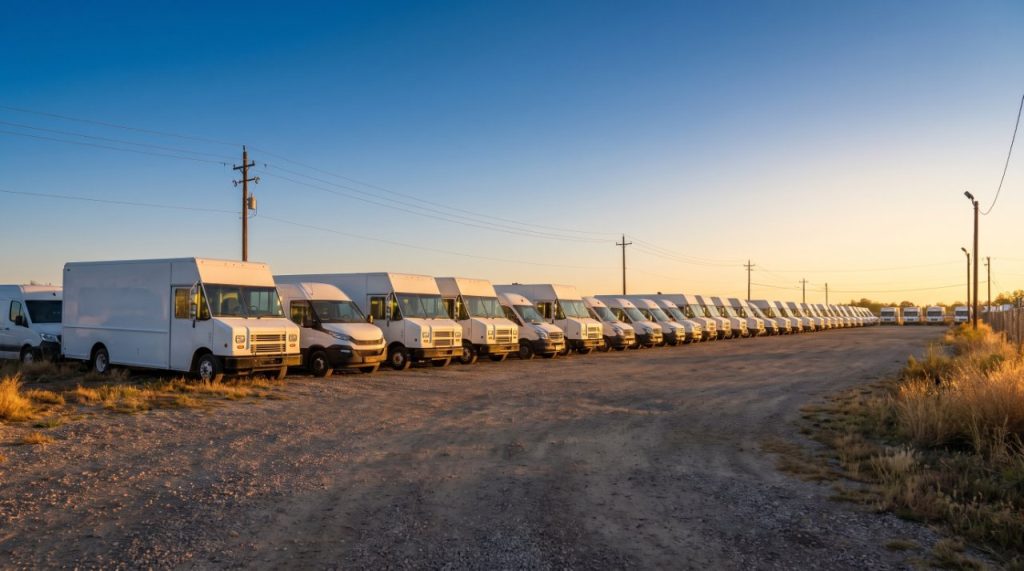
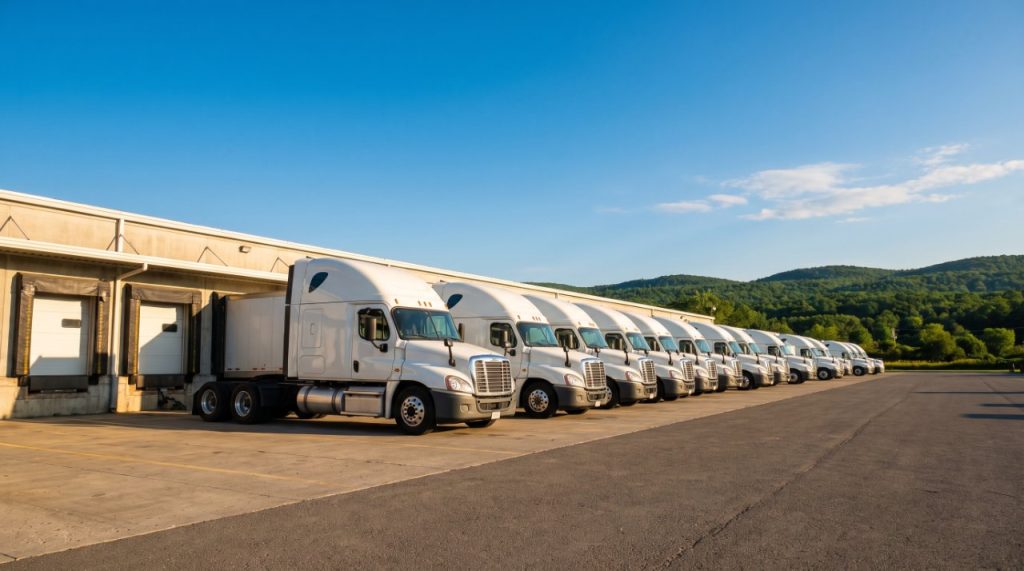
Fleet yard at sunrise

What to have ready

  • Employer name, DER contact and account information
  • Which laboratory and MRO your program uses, and the custody form if you supply it
  • Reason for the test (pre-employment, random, post-accident, reasonable suspicion, return-to-duty, follow-up)
  • Donor photo identification
  • A private space at the collection location

We do not make regulatory determinations. Whether a role is covered, and which test type applies, is for your designated compliance professional to confirm.

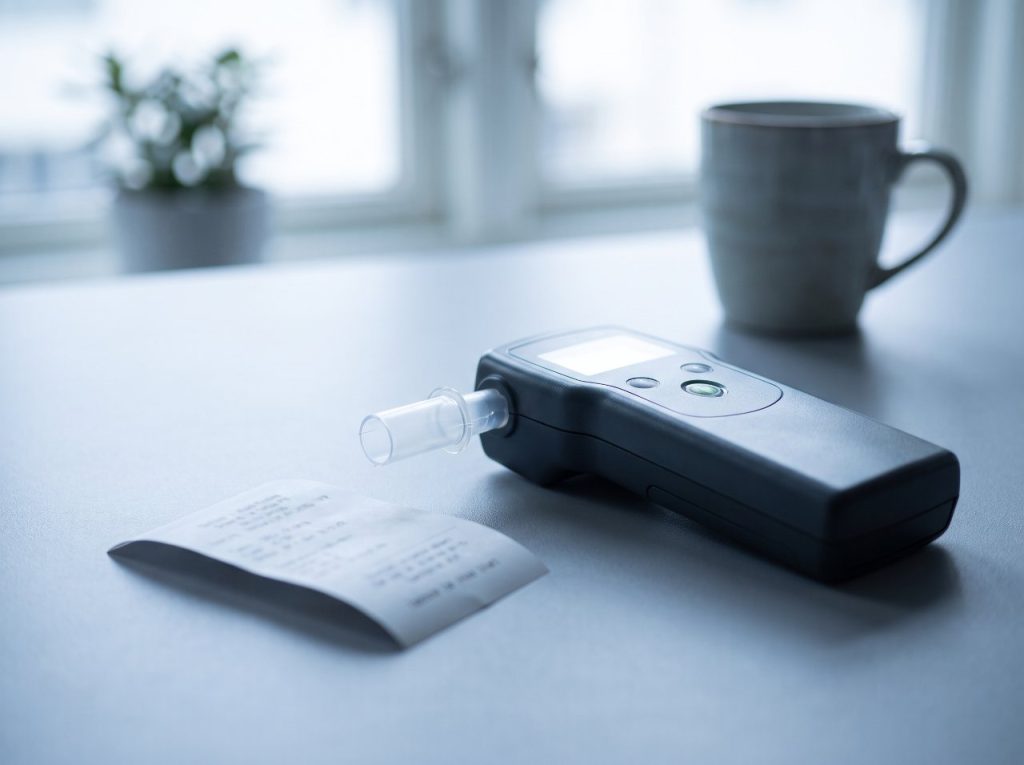
Evidential breath alcohol testing device

From $45

per donor. Full pricing

Breath alcohol testing

A breath alcohol test measures the alcohol concentration in a donor’s breath at the moment of the test. We perform DOT and non-DOT breath alcohol testing on evidential devices.

Common uses

  • Post-incident and reasonable-suspicion situations
  • DOT random and return-to-duty alcohol testing
  • Employer policy testing
  • Personal or family-requested testing

How the collection works

A screening test is performed first. If the screen is at or above the applicable threshold, a confirmation test follows after a short wait, using the same device, and the result is documented on the appropriate form.

Good to know

Breath alcohol is time-sensitive. Call as soon as the need arises: the sooner a collector is on site, the more useful the result. A breath result reflects the moment of testing only.

Rapid drug testing

A rapid (instant) drug test is an initial screen read on site within minutes. It is available for urine and oral fluid.

Common uses

  • Pre-employment when a fast answer matters
  • Employer policy and random programs (non-DOT)
  • Personal and family-requested testing
  • Treatment and monitoring support

How the collection works

The specimen is collected at your location and read on a rapid device. A negative screen is documented immediately. A non-negative screen is sealed under chain of custody and can be sent to a laboratory for confirmation testing ($40).

Good to know

A rapid screen is not a confirmed laboratory result. Decisions that carry consequences should wait for confirmation. Rapid testing is not used for DOT drug tests.

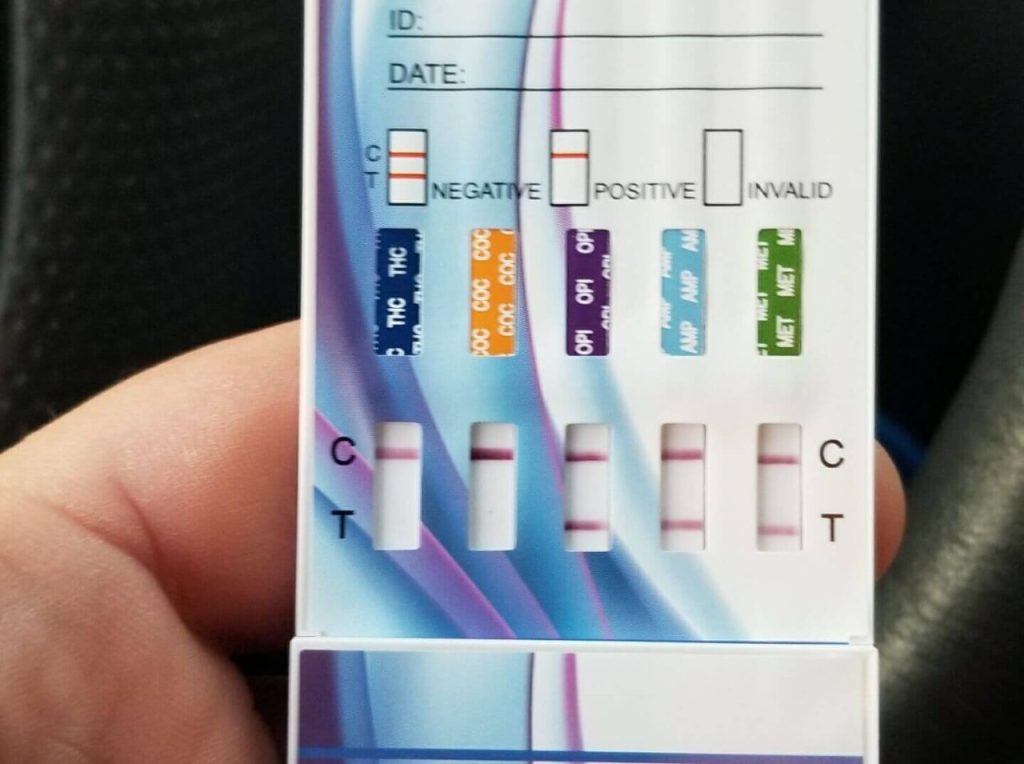
Rapid drug test read on site

From $50

per donor. Full pricing

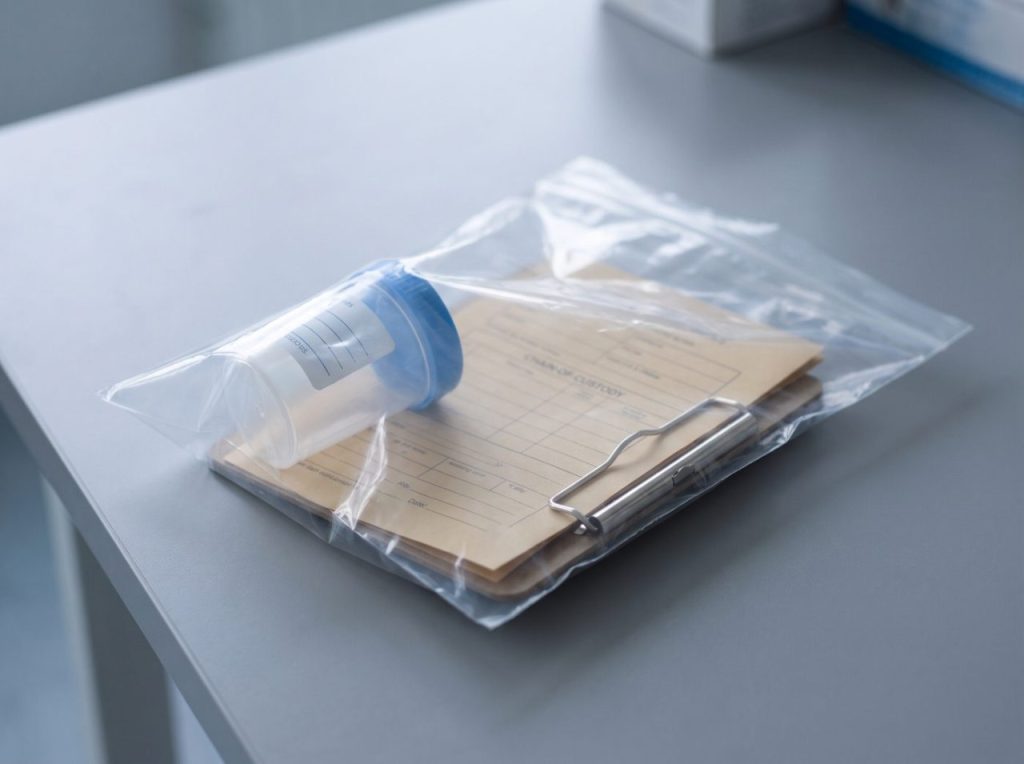
Sealed specimen bag with custody form on a clipboard

From $55

per donor. Full pricing

Lab-based drug testing

A lab-based test is collected at your location and analyzed at a certified laboratory. Available for urine and oral fluid; this is the method used for all DOT drug tests.

Common uses

  • DOT and safety-sensitive programs
  • Pre-employment, random, post-incident and follow-up testing
  • Court-related requests requiring laboratory documentation
  • Any situation where a confirmed, defensible result is needed

How the collection works

The collector completes the chain-of-custody form, seals the specimen and ships it to the laboratory you or your program designates. Non-negative screens are confirmed by the laboratory; DOT results are reviewed by a Medical Review Officer.
Good to know

Turnaround depends on the laboratory and the result: negatives typically return sooner than results requiring confirmation. We collect for LabCorp, CRL, Abbott, Omega and Quest, and for any laboratory that provides its chain-of-custody form.

Hair testing

Hair testing analyzes a small hair specimen for drug use over a longer period than urine or oral fluid can show.

Common uses

  • Pre-employment where a longer lookback is wanted
  • Court-related and custody-related requests
  • Personal and family-requested testing
  • Employer policy testing (non-DOT)

How the collection works

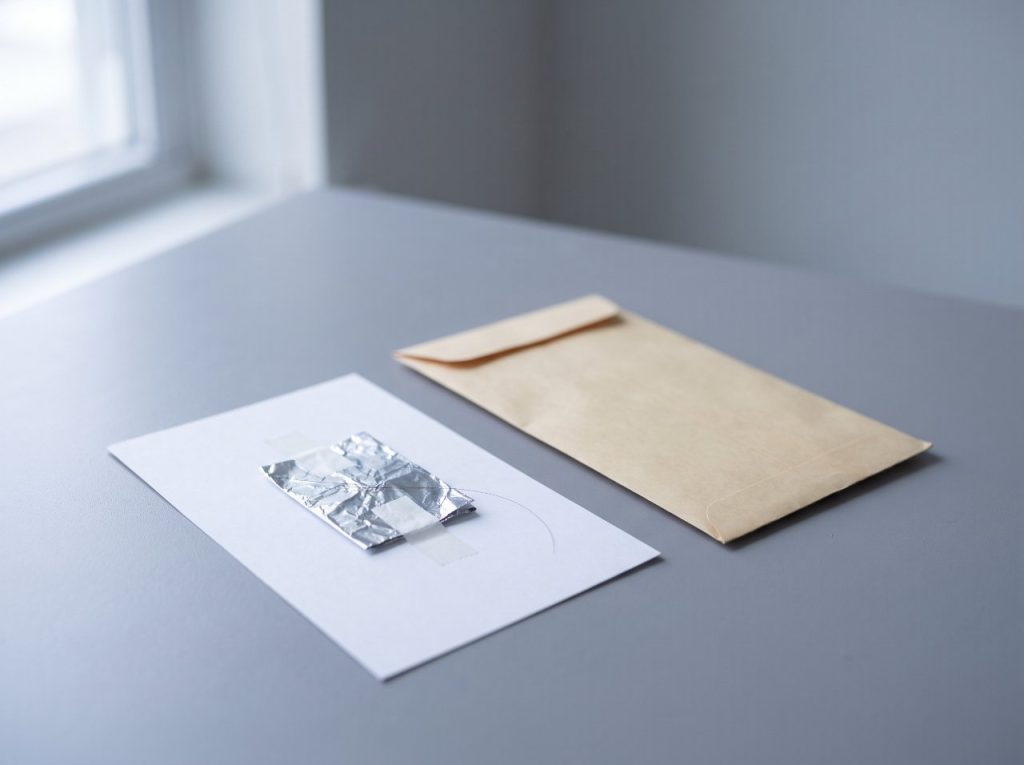
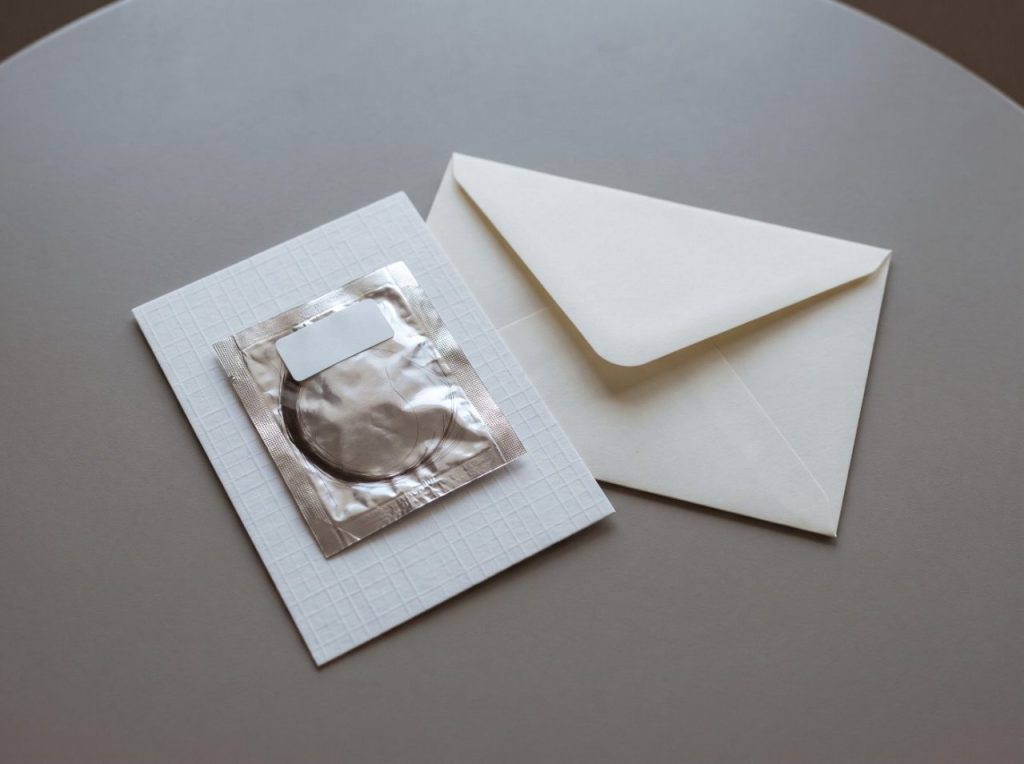
The collector cuts a small specimen close to the scalp, typically from the back of the head, secures it to a collection card and seals it under chain of custody for the laboratory.

Good to know

The laboratory determines the lookback window, which depends on hair length and growth. Sufficient hair must be available; body hair may be an option in some cases. Hair testing generally does not detect very recent use.

Hair specimen on a collection card

From $100

per donor. Full pricing

Foil-sealed hair specimen for segmented testing

From $300

per donor. Full pricing

Segmented hair testing

Segmented hair testing divides a longer hair specimen into sections so the laboratory can report results for more than one time period.

Common uses

  • Court-related and legal requests seeking a timeline-oriented view
  • Monitoring and treatment support
  • Family-requested testing where a pattern over time is the question

How the collection works

Collection follows the standard hair procedure with a longer specimen. The laboratory sections the hair and analyzes each segment; interpretation is provided by the laboratory.

Good to know

Segment results are approximations, not exact dates. Growth rates, hair treatments and laboratory procedures all affect interpretation. Call to discuss whether segmented analysis fits the question you need answered.

EtG alcohol testing

EtG (ethyl glucuronide) is a metabolite of alcohol. An EtG test looks for evidence of alcohol consumption over a period of days rather than measuring current breath alcohol. Available in urine and hair.

Common uses

  • Treatment, recovery and monitoring programs
  • Court-related and custody-related requests
  • Family-requested testing
  • Abstinence-based employer or professional programs

How the collection works

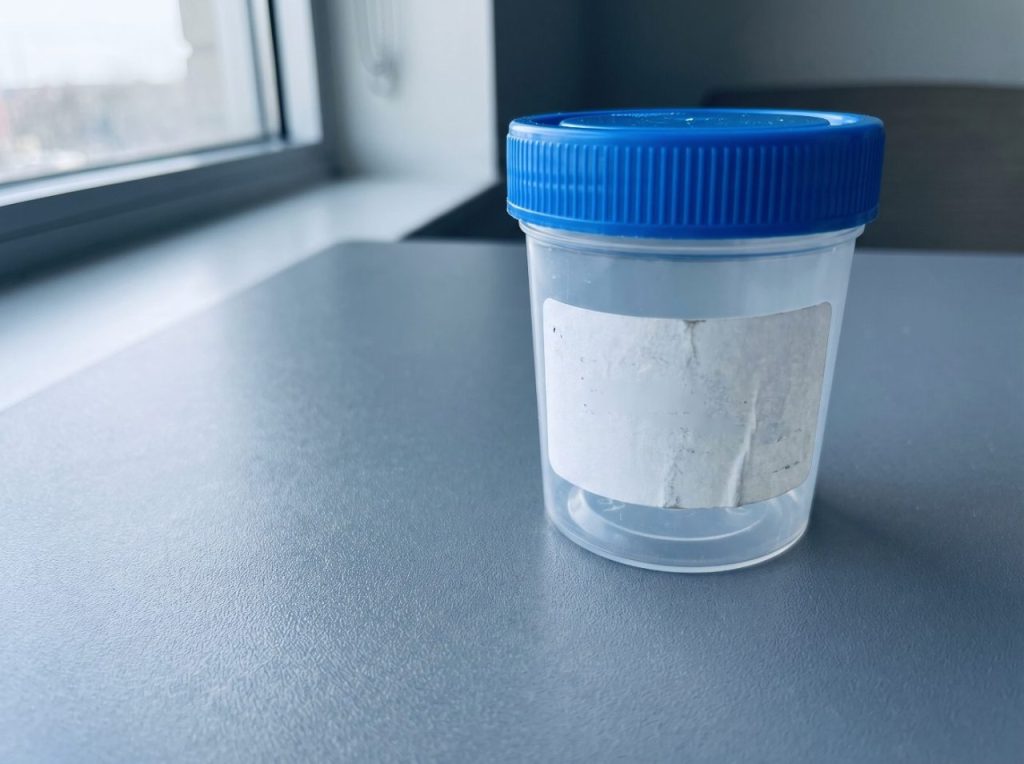
Urine or hair is collected at your location under chain of custody and sent to the laboratory for analysis.

Good to know

EtG does not indicate impairment or the amount consumed. Incidental exposure and laboratory cut-off levels affect interpretation. Results should be interpreted by a qualified professional.

Sealed specimen cup for EtG alcohol testing

By quote

per donor. Full pricing

Testing by reason

Whatever brought you here, we have done it before

Pre-employment

Before a new hire starts. Rapid, lab-based or hair, DOT or non-DOT.

Random

Unannounced selections under an employer policy or DOT program, at your site.

Post-incident

After an accident or safety event. Time-sensitive: call immediately.

Reasonable suspicion

When a trained supervisor documents specific observations. We come to the site.

Return-to-duty

Before an employee returns to safety-sensitive work following a violation.

Follow-up

Scheduled unannounced testing after return-to-duty, per the program.

Court-related

Collections requested by attorneys, courts or agencies, with chain-of-custody documentation.

Personal and family

Private testing at a residence or another location you choose.

Employer policy

Non-DOT programs written to your own policy.

Treatment and monitoring

Support for recovery and monitoring programs, scheduled or on request.

How it works

One call. We handle the rest.

01

Call or request

Tell us the test, the location and how many donors. We answer around the clock.

02

We confirm

Availability, specimen type and pricing depend on the testing purpose and the laboratory. We confirm before we travel.

03

A collector arrives

At your workplace, site or residence, typically within two hours of your call, in an unbranded vehicle when appropriate.

04

Specimen to lab

Rapid screens are read on site; lab-based specimens travel under chain of custody. Turnaround depends on the test.

Availability, specimen type, collection requirements, turnaround and pricing depend on the testing purpose, location, time and laboratory.

Phones answered now

Any hour. Any day.

Typically on site within two hours of your call, in an unbranded vehicle when appropriate.